The Real Difference Between Spray Foam and Blown-In Insulation
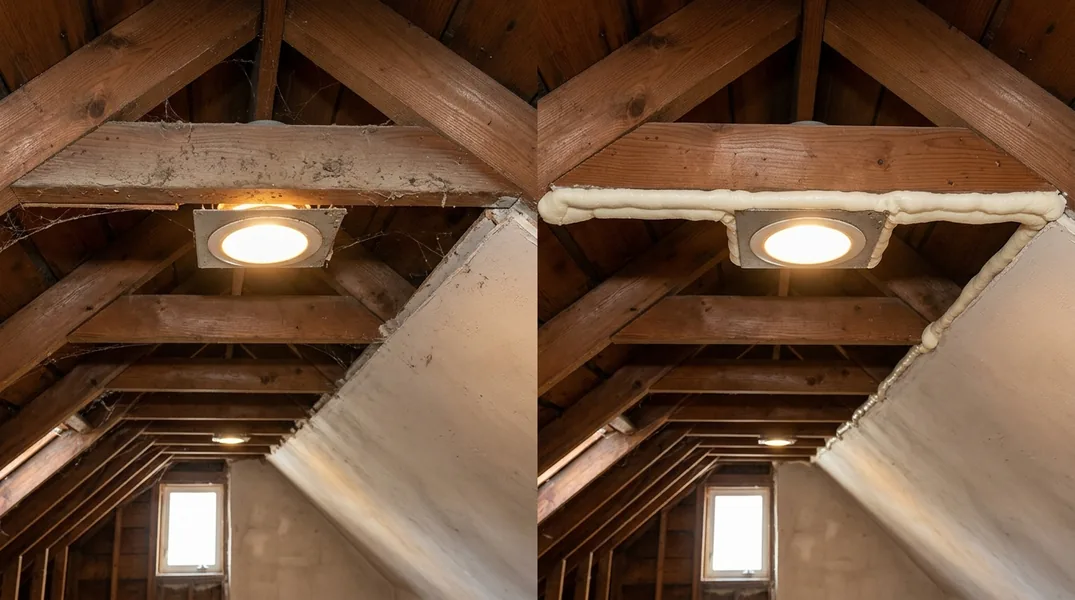
Attic Spray Foam Insulation and blown-in insulation are fundamentally different products, and understanding that difference is the first step toward making the right choice for your home in Fargo. Spray foam is a liquid material that expands when applied, creating a continuous air seal and high R-value per inch. Blown-in insulation, which includes fiberglass, cellulose, and mineral wool, is loose material that's pneumatically installed into wall cavities and attic spaces. The key distinction is that spray foam seals air leaks while it insulates, whereas blown-in materials primarily add thermal resistance without necessarily sealing gaps.
The performance difference becomes clear when you think about how heat actually escapes your home. Air leakage accounts for a significant portion of energy loss in older homes. Spray foam addresses both insulation and air sealing simultaneously, which is why it often delivers superior energy savings. Blown-in insulation, by contrast, fills cavities effectively but relies on the building envelope itself to be relatively tight. In Fargo's cold winters, this distinction matters more than most homeowners realize.
Spray Foam vs Fiberglass: Installation and Long-Term Performance
When comparing spray foam versus fiberglass, the installation method reveals why each material suits different situations. Fiberglass blown-in insulation is quick to install, requires no special equipment beyond a blower, and can be added to existing attics without removing old material. Spray foam, whether Closed Cell Spray Foam Insulation or Open Cell Spray Foam Insulation, requires specialized equipment and trained technicians. The application is more involved, but the results are often superior in terms of air sealing and moisture management.
Over the long term, fiberglass can settle and compress, especially in attics where temperature fluctuations are extreme. Fargo homeowners know that winter temperatures drop well below zero, and summer heat can be intense. Spray foam maintains its R-value over decades because it doesn't settle or compress. However, fiberglass remains a cost-effective choice if your attic already has decent insulation and you're simply looking for a top-up to improve R-value. The honest assessment depends on your current situation and budget.
Spray Foam vs Cellulose: Moisture, Settling, and Climate Fit
Cellulose blown-in insulation has gained popularity as an eco-friendly option made from recycled paper. When comparing spray foam versus cellulose, moisture performance becomes a critical factor in the upper Midwest. Cellulose is hygroscopic, meaning it absorbs and releases moisture based on humidity levels. In Fargo's climate, where ice dams and condensation are real concerns, this characteristic can be problematic. If moisture accumulates in cellulose insulation, it loses R-value and can eventually support mold growth.
Spray foam, particularly closed-cell varieties, is vapor-impermeable and resists moisture absorption entirely. This makes it the superior choice for attics in cold climates where temperature differentials create condensation risk. Cellulose also settles over time, sometimes losing 10 to 20 percent of its initial R-value within the first year. Spray foam doesn't settle, making it more reliable for long-term performance. That said, cellulose is less expensive upfront and works adequately in dry climates or when properly installed with vapor barriers. For Fargo homeowners, the climate argues in favor of spray foam's moisture resistance.
When a Simple Top-Up Is the Honest Answer
Here's where we get honest with you: not every attic needs a complete spray foam retrofit. If your home already has 6 to 8 inches of fiberglass or mineral wool insulation, and your energy bills aren't excessive, a blown-in top-up might be the most sensible solution. Adding another 4 to 6 inches of blown-in insulation on top of what you have can bring your R-value closer to current building code recommendations without the expense of removing and replacing everything.
The decision hinges on your current R-value, your energy costs, and your long-term plans for the home. If you're planning to stay in your Fargo home for 15 or more years and your heating bills are noticeably high, spray foam becomes a more attractive investment because it will deliver consistent performance and air sealing for decades. If you're in the home short-term or your insulation is already decent, a blown-in top-up gets you improved efficiency at a lower initial cost. A professional energy audit can reveal exactly where you stand and what makes financial sense for your situation.
Best Insulation for Attic: Matching Material to Your Needs
Determining the best insulation for attic spaces means evaluating your specific circumstances. Spray foam wins on air sealing, moisture resistance, and long-term performance stability. Blown-in insulation, whether fiberglass or cellulose, wins on upfront cost and installation speed. Neither is universally better; context matters. An attic with visible air leaks, moisture issues, or poor ventilation strongly favors spray foam. An attic that's structurally sound but simply under-insulated favors blown-in top-ups.
For homeowners in West Fargo and the surrounding Fargo area, climate considerations push toward spray foam for new construction or major retrofits. The cold winters and potential for ice damming make air sealing and moisture resistance valuable. However, if you're working with an existing attic that's in reasonable condition, adding blown-in insulation can still deliver meaningful energy savings without the higher upfront investment. The best choice is the one that addresses your home's specific weaknesses and fits your budget and timeline.
Attic Spray Foam Insulation Cost in Fargo: What to Budget
Understanding pricing is essential when comparing spray foam to blown-in options. Spray foam typically costs between $1.50 and $3.50 per board foot installed, depending on whether you choose open-cell or closed-cell varieties and the complexity of your attic layout. For a typical 1,500-square-foot attic, you're looking at $3,000 to $8,000 or more. Blown-in insulation runs roughly $0.50 to $1.50 per square foot, making a full attic retrofit $750 to $2,250. The price difference is significant, which is why many homeowners choose blown-in for top-ups.
However, the cost comparison shouldn't ignore energy savings and longevity. Spray foam often delivers faster payback through reduced heating and cooling costs, especially over 10 to 20 years. Blown-in insulation provides slower but still meaningful savings at lower upfront cost. The honest recommendation is to get a professional assessment and detailed quote. Fargo Spray Foam Insulation offers a free estimate so you can see exactly what your project would cost with either approach. Call us at (701) 501-6701 to discuss your specific situation and explore what makes sense for your home and budget.
Looking for a professional spray foam insulation contractor in Fargo? Fargo Spray Foam Insulation responds fast for all your spray foam insulation needs.
Get a Free Quote